Cultivate Your Green Thumb
A Beginner's Guide to Starting a Garden
Begin Your Gardening Journey Today! Discover the transformative power of gardening and how it can bring joy, peace, and fresh produce into your life. Whether you're a seasoned gardener or just starting out, our guide will help you nurture your passion for plants.
The Joys of Growing Your Own Food
There is something wonderfully hopeful about starting a garden.
You take a tiny seed, tuck it into the dirt, give it a little water, and somehow expect it to turn into dinner.
And surprisingly often, it does.
Of course, somewhere between that tiny seed and the tomato sandwich on your kitchen counter, there may also be weeds, bugs, questionable weather, mysterious holes in leaves, and at least one zucchini plant that decides it would like to take over the entire property.
Welcome to gardening.
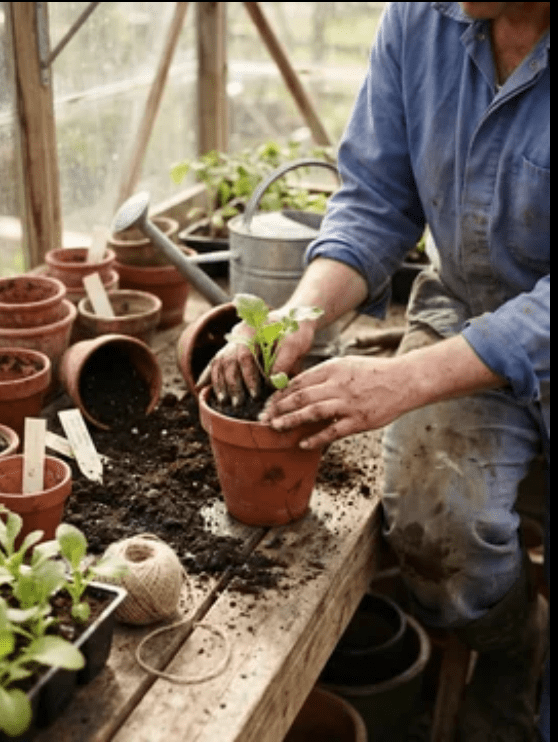
Here at Coffee Homestead, I believe growing your own food doesn't have to be complicated. You don't need acres of land, a perfectly planned garden, expensive raised beds, or a greenhouse worthy of a magazine spread.
You just need a little sunshine, decent soil, water, and a willingness to learn as you grow.
And that's exactly what we're going to do.
If You've Never Gardened Before, Start Here
One of the easiest mistakes new gardeners make is trying to grow everything the first year.
Tomatoes! Potatoes! Corn! Pumpkins! Watermelons! Cucumbers! Herbs! Fifty-seven varieties of peppers!
Before long, you've accidentally started a small commercial farming operation in the backyard.
You don't need to do that.
A first garden can be as simple as:
- two tomato plants
- a pepper plant
- a few cucumbers
- a row of green beans
- some lettuce
- and a handful of herbs
Start with foods your family actually enjoys eating.
If nobody in your house likes radishes, there is absolutely no gardening rule requiring you to grow 40 of them just because they're easy.
The goal isn't to grow the most impressive garden.
The goal is to grow food you'll be excited to bring into your kitchen.
Step 1: Decide What Kind of Garden You Want
Before buying seeds or plants, take a look at the space you have available.
You can grow food in:
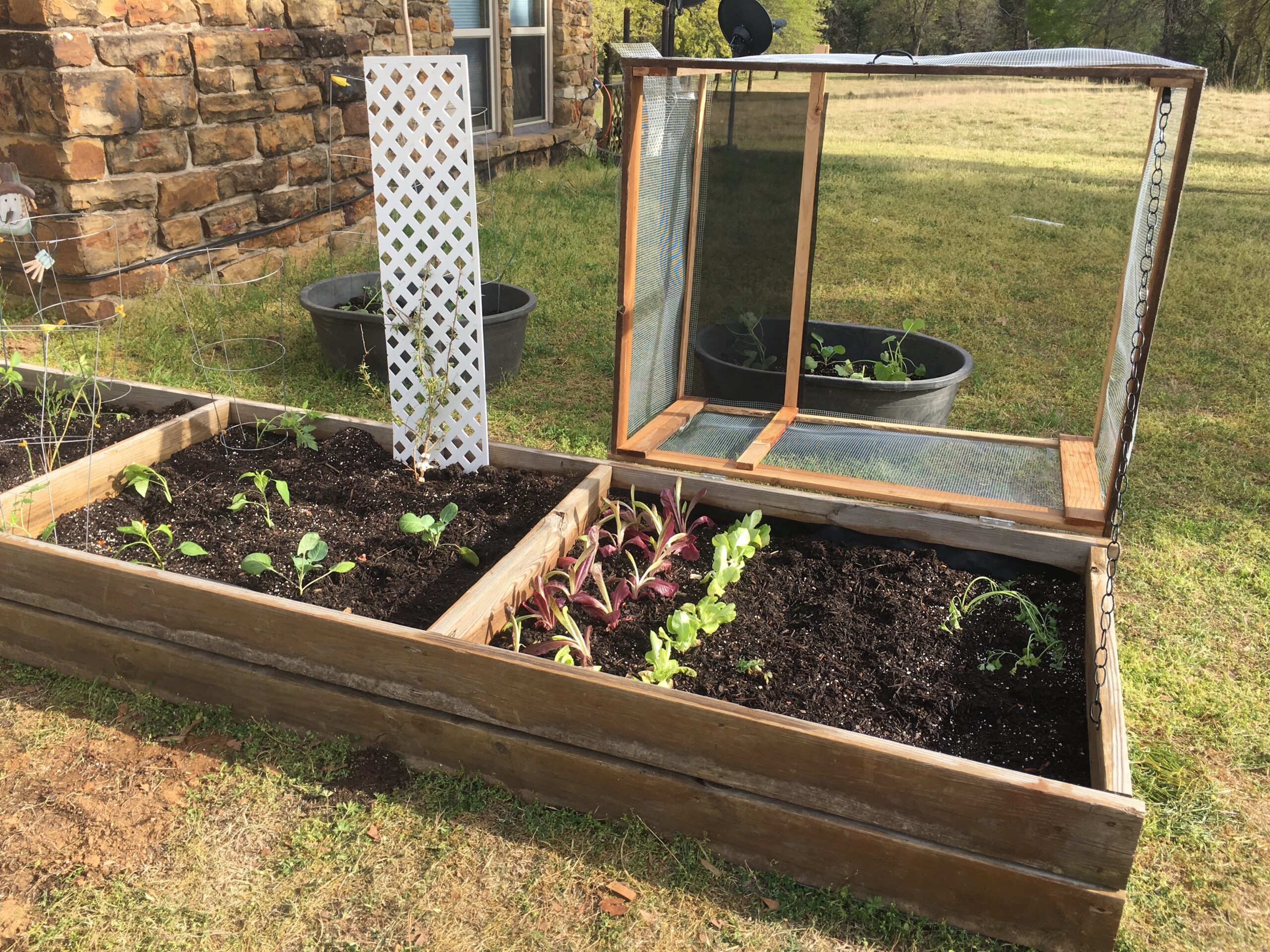
- a traditional in-ground garden
- raised garden beds
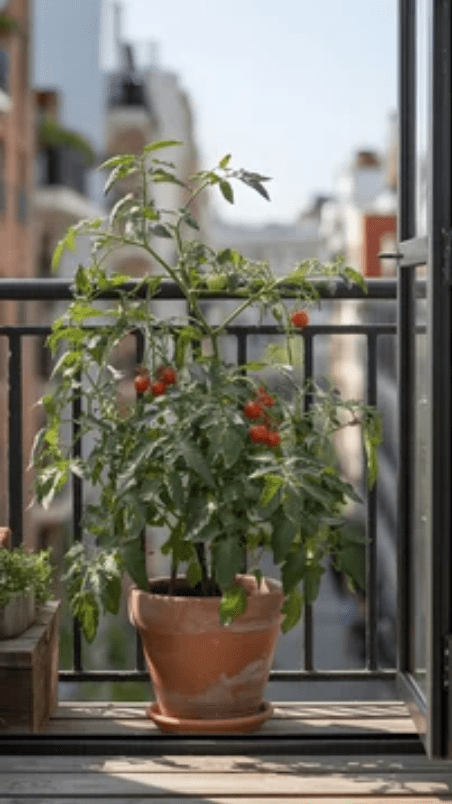
- containers
- grow bags
- patio planters
- a combination of all of the above
Don't let a small yard stop you.
Tomatoes grow beautifully in large containers. Herbs can live near the kitchen door. Lettuce can grow in shallow planters. Cucumbers can climb vertically instead of sprawling across the ground.
If you have more room, an in-ground garden can give you plenty of space for larger crops like corn, pumpkins, potatoes, squash and melons.
There isn't one "correct" way to garden.
The best garden is the one that works for your space, your time and the food your family wants to eat.
Step 2: Find the Sunshine
Before deciding where your garden should go, spend a day paying attention to the sun.
Most vegetables need around 6–8 hours of direct sunlight each day, and many of our favorite summer crops appreciate even more.
Tomatoes, peppers, cucumbers, squash and melons are sun lovers.
Leafy vegetables like lettuce, spinach and kale can tolerate a little less.
One important lesson I've learned is that the prettiest spot in the yard isn't necessarily the best spot for a vegetable garden.
Plants don't care whether the garden looks perfectly centered behind the house. They care about sunshine. Choose the sunny spot. We'll make it pretty later.
Step 3: Know Your Growing Zone — But Don't Stop There
I garden in Oklahoma, Zone 7, which means my gardening calendar may look very different from yours.
Our summers get hot.
Very hot.
The kind of hot where the tomatoes, chickens and gardener are all looking for shade by lunchtime.
Because of that, timing matters.
Gardeners farther north may still be planting crops when we're already thinking about protecting plants from summer heat. Gardeners farther south may have an even longer growing season.
Your USDA hardiness zone is a useful starting point, but also learn your area's:
- average last spring frost date
- average first fall frost date
- summer temperatures
- rainfall patterns
- typical growing season
Those dates will help you determine when to plant, which is every bit as important as deciding what to plant.
And remember: gardening calendars are guidelines.
Mother Nature does not own a calendar and apparently doesn't feel obligated to consult ours.
Step 4: Start With Good Soil
If sunshine is one half of a successful garden, soil is the other.
Healthy soil grows healthy plants.
Before planting an in-ground garden, it's worth learning what kind of soil you're working with.
Is it sandy?
Heavy clay?
Dark and crumbly?
Does water drain quickly or sit there long enough for ducks to consider moving in?
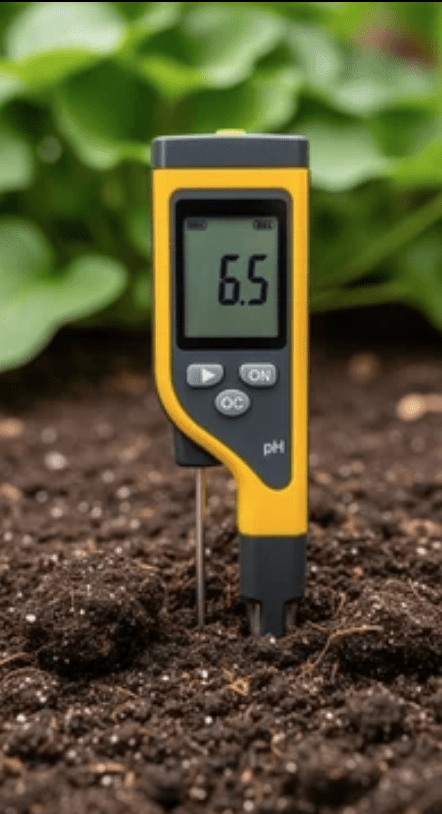
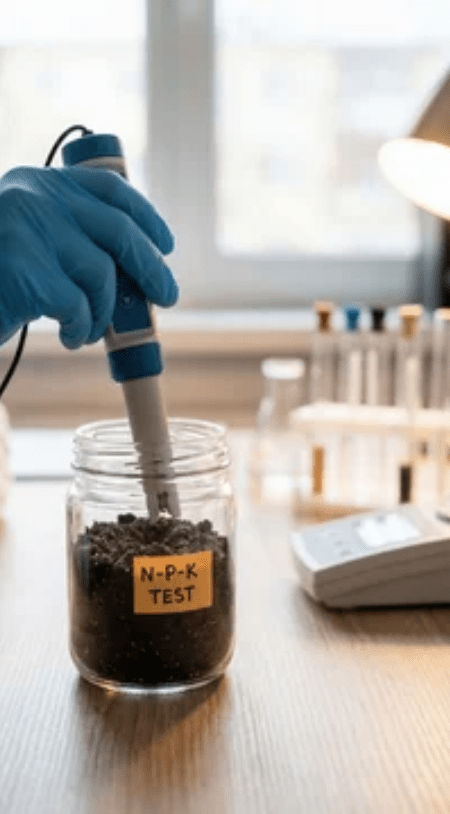
A soil test can tell you about your soil's pH and nutrient levels and help you determine what amendments it actually needs.
For many gardens, adding good-quality compost is one of the best places to start.
Compost improves soil structure while adding organic matter, and over time it helps create the loose, rich garden soil we're all hoping for.
Raised beds and containers are a little different because you'll be filling them yourself. Use a quality soil mixture intended for raised-bed or container gardening rather than simply filling everything with dirt from the yard.
Good soil is an investment you'll appreciate every single growing season.
Step 5: Choose What to Grow
Now we get to the fun part.
Seeds.
This is also where reasonable adults occasionally lose all self-control.
A seed catalog can make you believe you desperately need twelve varieties of tomatoes you had never heard of five minutes earlier.
Try to stay focused.
For a beginner garden, choose several dependable vegetables your household regularly eats.
Easy Vegetables for Beginning Gardeners
Some good choices include:
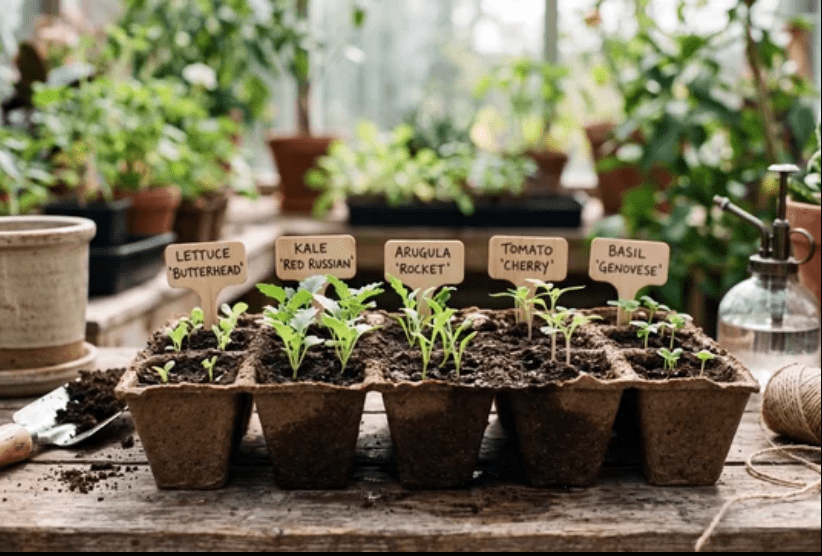
Tomatoes
One of the most rewarding garden crops and absolutely worth growing for the flavor alone.
Green beans
Fast growing, productive and fairly simple to grow.
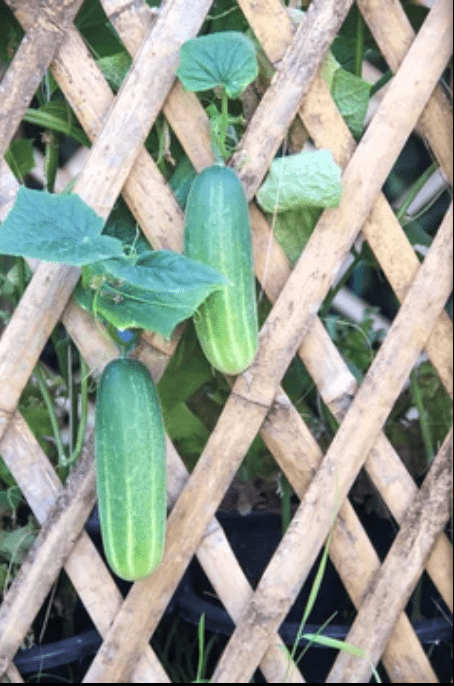
Cucumbers
Give them sunshine, water and something to climb and they'll usually keep you busy harvesting.
Zucchini and summer squash
Very productive. Possibly too productive. You've been warned.
Peppers
They love summer heat and don't require much garden space.
Lettuce
A wonderful cool-season crop that can be harvested fairly quickly.
Radishes
Quick growing and useful for filling small spaces.
Herbs
Basil, parsley, dill, thyme and chives are wonderful additions to a kitchen garden.
Once you've gained a little confidence, you can expand into potatoes, onions, garlic, carrots, melons, pumpkins, winter squash, corn and whatever else catches your eye.
And something will catch your eye.
That's how gardens get bigger.
Step 6: Seeds or Transplants?
You don't have to start every vegetable from seed.
In fact, beginning gardeners may find it easier to purchase healthy transplants for crops like:
- tomatoes
- peppers
- eggplant
- herbs
Other vegetables are usually easy to sow directly into the garden, including:
- beans
- peas
- cucumbers
- squash
- pumpkins
- melons
- carrots
- radishes
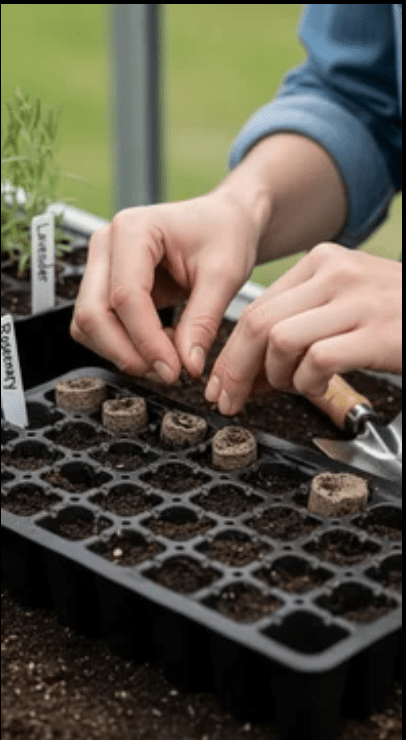
Starting seeds indoors opens up even more possibilities and gives you access to varieties you may never find at a local garden center.
But don't feel like you have to master seed starting before you're allowed to call yourself a gardener.
Buy the tomato plant.
Plant it.
Eat the tomatoes.
You're gardening.
Step 7: Make a Simple Garden Plan
A little planning before planting can prevent a lot of frustration later.
Think about the mature size of each plant.
That tiny tomato transplant sitting politely in its little pot may eventually become a four- or five-foot-tall monster with absolutely no respect for personal space.
Follow recommended plant spacing whenever possible.
Also think vertically.
Trellising crops like cucumbers, pole beans and some squash varieties can save valuable garden space while making harvesting easier.
Place taller plants where they won't shade smaller crops unnecessarily.
And leave yourself room to walk.
This is especially important.
A garden that looks perfectly efficient on graph paper becomes considerably less efficient when you realize you need to perform gymnastics to reach the green beans.
Step 8: Plant at the Right Time
Vegetables generally fall into two groups.
Cool-Season Crops
These prefer cooler temperatures and are often planted in early spring or again for a fall garden.
Examples include:
- lettuce
- spinach
- peas
- broccoli
- cabbage
- kale
- carrots
- radishes
Warm-Season Crops
These need warm soil and should generally be planted after the danger of frost has passed.
Examples include:
- tomatoes
- peppers
- beans
- cucumbers
- squash
- melons
- okra
- corn
Planting at the right time gives your vegetables a much better chance of thriving.
A tomato planted into cold soil isn't impressed by our enthusiasm.
Sometimes waiting another week is the best gardening decision you can make.
Step 9: Water Deeply
Newly planted seeds and seedlings need consistent moisture while they're becoming established.
Once plants are growing well, it's generally better to water deeply rather than giving the garden a tiny sprinkle every day.
Deep watering encourages roots to grow farther into the soil where they can better withstand hot, dry weather.
Whenever possible, water near the base of your plants instead of soaking the leaves.
And check the soil before automatically watering.
Stick your finger into it.
Still damp?
Wait.
Dry a couple of inches down?
Time to water.
Plants need water.
They don't necessarily need a swimming pool.
Step 10: Mulch Your Garden
If I could convince a new gardener to do just one thing after planting, mulching would be near the top of the list.
A layer of organic mulch can help:
- conserve soil moisture
- suppress weeds
- protect the soil from extreme temperatures
- reduce soil splashing onto plants
- add organic matter as it breaks down
Depending on what is available in your area, gardeners may use straw, shredded leaves, grass clippings or other suitable organic materials.
Mulch is especially valuable here in Oklahoma when summer temperatures start climbing.
Anything that means fewer weeds and less watering gets my vote.
Step 11: Check Your Garden Often
One of the best gardening habits you can develop is simply walking through your garden.
Take your coffee if you'd like.
Actually, around here, I highly recommend it.
Look underneath leaves.
Check new growth.
Notice whether plants are flowering.
Look for insect damage.
Pull a few weeds while they're tiny.
Harvest anything that's ready.
Five or ten minutes spent regularly checking the garden can help you catch problems before they become big ones.
It also happens to be one of the nicest parts of gardening.
There is something peaceful about walking through a garden early in the morning when everything is still quiet, the plants are covered with dew and you're checking to see what grew overnight.
Step 12: Don't Panic When Something Goes Wrong
Something will go wrong.
I promise.
A bug will eat something.
A plant will wilt.
A tomato will crack.
A cucumber will hide under a leaf until it reaches the approximate dimensions of a baseball bat.
This doesn't mean you're bad at gardening.
It means you're gardening.
Every season teaches you something.
Pay attention to what grows well, what struggles, which varieties your family loves and where problems appear.
Keep notes if you're inclined.
Next year's garden will be better because of what you learned this year.
Your Garden Doesn't Have to Be Perfect
This may be the most important part.
Don't wait until you have the perfect raised beds.
Don't wait until you own every garden tool.
Don't wait until you've read every gardening book.
And definitely don't wait until you know exactly what you're doing.
Most gardeners are still learning.
I've found that gardening has a wonderful way of keeping us humble. Just when you think you've figured everything out, Mother Nature sends three weeks without rain, six inches of rain in one afternoon, or an insect you've never seen before.
You adjust.
You learn.
And you keep growing.
From Seed to Garden to Kitchen
Growing the food is only the beginning.
That's one of my favorite things about homestead gardening.
A tomato isn't simply a tomato.
It might become fresh salsa tonight, tomato sandwiches tomorrow, roasted tomato sauce this weekend and jars of canned tomatoes tucked into the pantry for winter.
Cucumbers become pickles.
Basil becomes pesto.
Peppers become salsa.
Green beans go from the garden to the supper table — or into jars for later.
And suddenly the garden isn't separate from the kitchen.
It's part of it.
That's the heart of the Coffee Homestead garden: learning how to grow food, harvest it, cook with it and preserve enough of the season to enjoy later.
Seed → Garden → Harvest → Farmhouse Kitchen → Pantry.
That's the journey we're building here.
Where to Go Next
If you're starting your first garden, don't feel like you need to learn everything today.
Start with the basics and follow along one step at a time.
From here, we'll dig deeper into:
- How to Plan Your First Vegetable Garden
- How to Prepare Garden Soil
- Raised Beds vs. In-Ground Gardens
- What Vegetables Should I Grow?
- When to Plant Your Garden
- How to Start Seeds Indoors
- How to Direct Sow Seeds
- How to Water a Vegetable Garden
- How to Mulch a Garden
- Beginner Garden Tools You Actually Need
- How to Grow Tomatoes
- How to Plant a Fall Garden
- How to Harvest Vegetables
- Garden-Fresh Recipes
- Preserving the Harvest
You don't need to build the entire homestead garden in one season.
Plant a few things.
Learn what works.
Grow a little more next year.
Before you know it, you'll be standing in the kitchen with dirt under your fingernails, tomatoes covering the counter and far more zucchini than any reasonable household could possibly eat.
And you'll already be planning next year's garden.
Welcome to the garden. I'm glad you're here.


Recent Comments