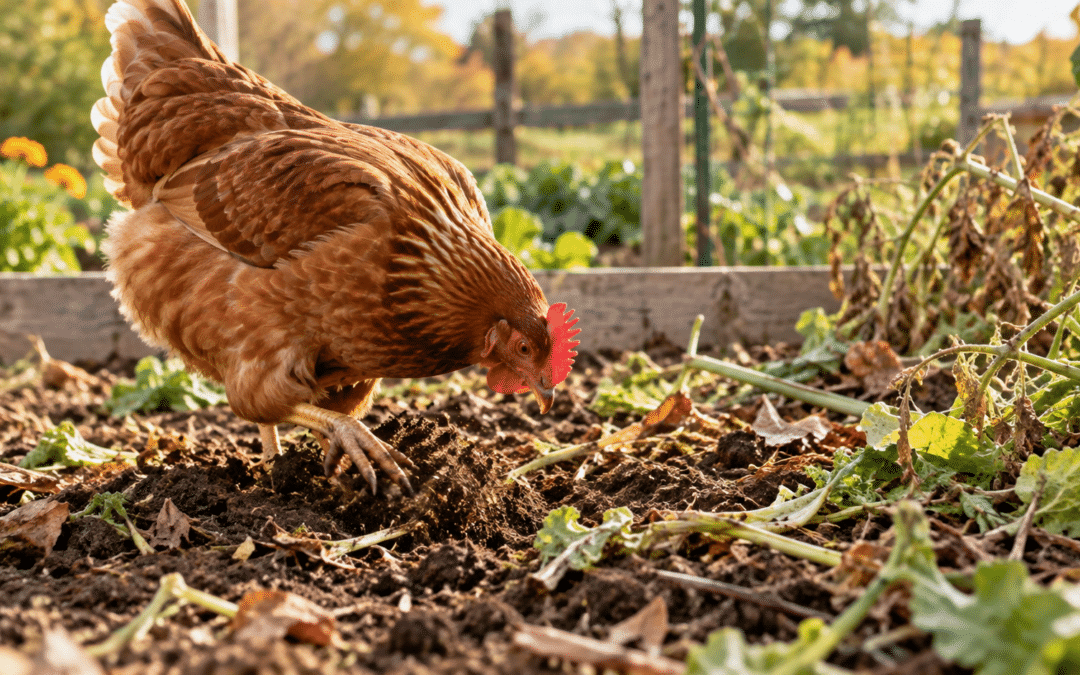
Chickens and gardens sound like a perfect homestead combination. The chickens eat bugs, scratch up weeds, add manure and happily clean up garden leftovers.
All of that is true.
They will also dig up a newly planted bed, scatter mulch across three counties and take one bite out of every tomato they can reach.
So the trick is not deciding whether chickens are good or bad for the garden. It is learning when and where to let them help.
Can Chickens and a Vegetable Garden Really Work Together?
Absolutely—but I would not give a free-ranging flock unlimited access to an actively growing vegetable garden and expect everybody to behave.
Chickens scratch because that is what chickens do. They are looking for insects, seeds and anything else interesting under the surface. Unfortunately, a tender seedling has very little chance against a determined hen with two feet and an afternoon to kill.
For us, the better approach is to protect the garden while crops are growing and then deliberately use the chickens in selected areas when their scratching becomes useful instead of destructive.
Keep Chickens Out While the Garden Is Growing
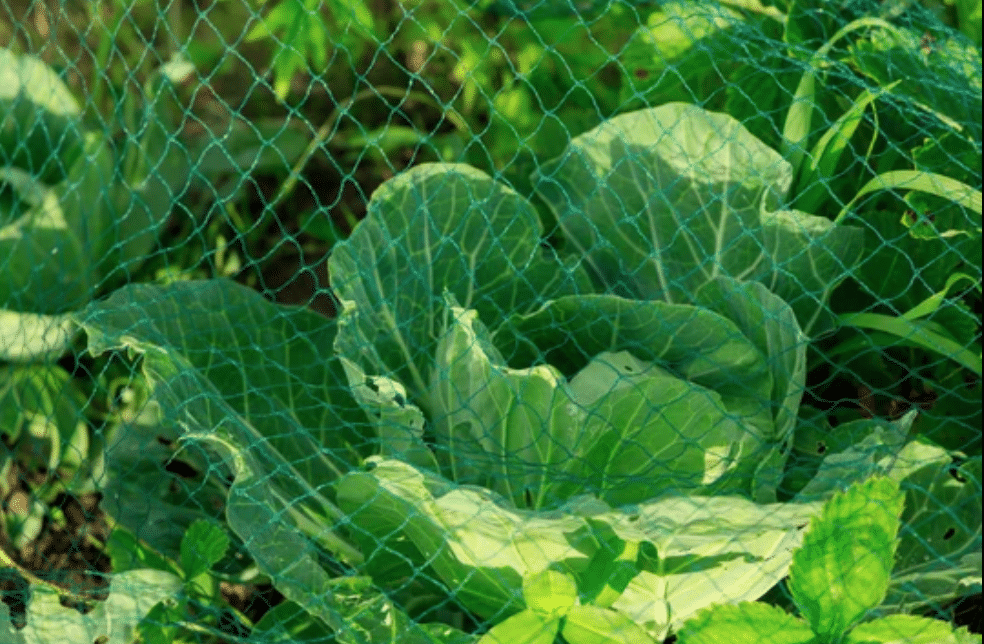
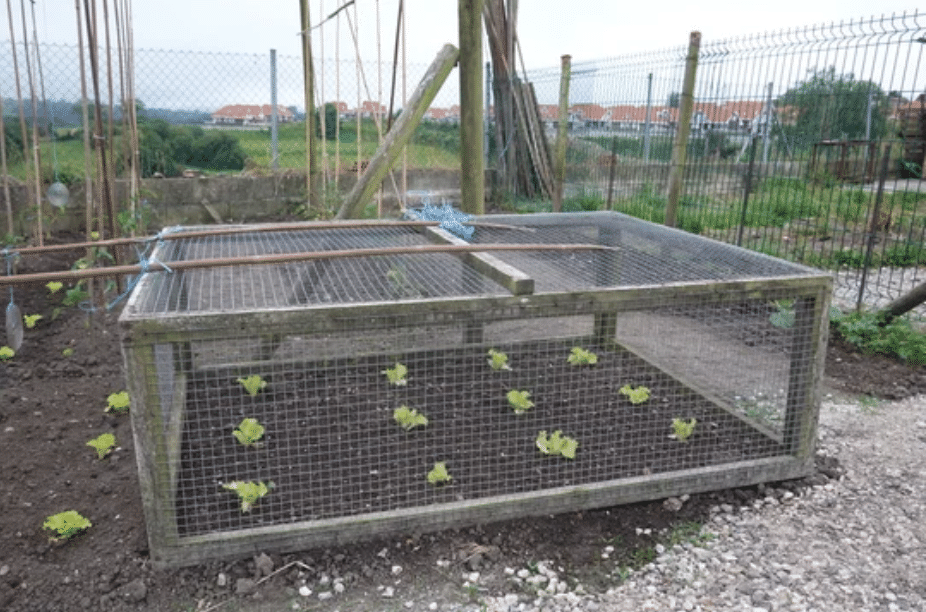
If you have vegetables you care about, a physical barrier is usually easier than spending your summer trying to convince chickens that the lettuce is off limits.
A good garden fence lets the birds free-range elsewhere without making you patrol the tomatoes all day. Remember that chickens can fly or hop higher than people sometimes expect, especially lighter breeds, so the height and design need to match your flock.
Temporary poultry netting can also be useful when you want to change which areas the birds can access. Electric poultry netting can add predator protection and help with rotational grazing, but it needs to be installed and maintained according to the manufacturer's directions and kept clear enough to work properly.
When Chickens Become Great Garden Helpers
Once a bed is finished producing, the rules can change.
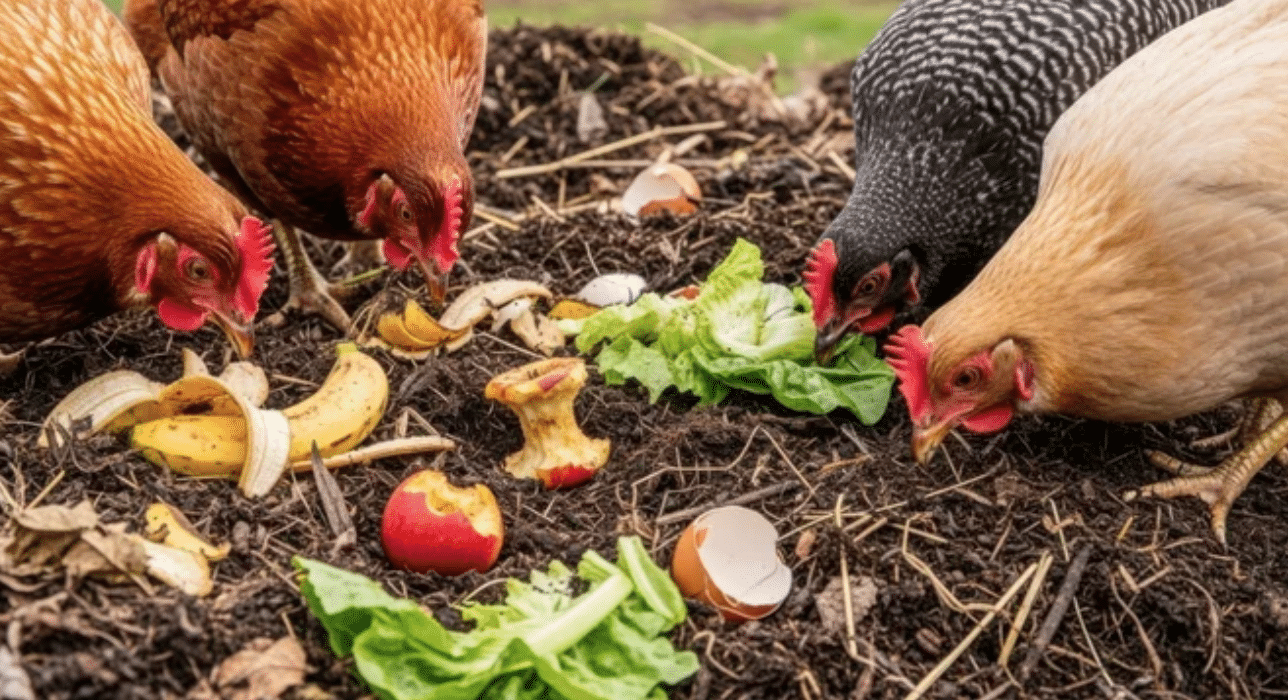
That is when I like the idea of putting chickens to work. They can clean up dropped produce, scratch through old plant material, hunt insects and disturb some weed growth while adding manure along the way.
Instead of fighting their natural behavior, you are finally giving them a place where scratching is exactly what you want.
Use Chickens in the Orchard Too
An orchard can be another useful place for a flock, especially when trees are established and vulnerable young plants are protected.
Chickens will forage for insects, work through fallen fruit and spend a surprising amount of time scratching under trees. Rotating them through orchard areas can spread their impact instead of letting one favorite shady spot turn into bare dirt.
Protect young trees, exposed roots, irrigation lines and anything else that cannot tolerate enthusiastic scratching.
Turn Chicken Bedding Into
Pure Garden Gold
The coop can contribute to the garden even when the chickens never set foot inside the vegetable fence.
Used bedding mixed with manure is valuable compost material, but fresh chicken manure is generally too strong to pile directly around growing vegetables. Compost it first and let time do the work.
Take it from me, using the bedding and egg shells is the number one thing that I do to improve my soil and boost plant production. You have to be careful doing this and follow one simple rule, allow it to compost before adding it to your plants, but how simple is that, you just leave it alone. I keep three piles of chicken beding going, and one pile of finished compost that is ready to use. We completly clean the coop about every 2 months. So, when my oldest pile reaches the 6 month mark it goes into my ready to use compost pile. So after the first 6 months of waiting you have a continual supply to add to your ready compost. This is what works for our homestead, and keeps our coop nice and clean for the number of chickens/ducks/geese that we have and the amount of bedding that we use. Depending on the size of your flock, housing size, and amount of bedding you may need to clean out more or less often.
A deep-bedding system can give you a useful mixture of carbon-rich bedding and manure to move into a compost pile. Once properly composted, it can go back to the garden and help close that homestead loop.
Rotating Chickens Makes the Whole System Easier
If you have enough space, rotation is one of the most useful tools you can use with a flock.
Instead of giving chickens permanent access to one run until nothing green remains, move or divide their access between areas. That can mean portable electric poultry netting, a movable coop or simply several fenced paddocks that are opened and rested in turn.
The goal is not a perfect grazing system. It is just to keep the chickens from loving one patch of ground to death.
What About Ducks in the Garden?
Ducks can be useful garden companions too, but they create a different set of problems. They do not scratch like chickens, which is a plus around roots, but they still nibble plants and can turn a wet spot into mud faster than seems physically possible.
However I have found that they don't try to get into any raised beds and once your tomatoes and pepers are tall enough they can't reach the fruit. So in a lot of areas of your garden I personally have found them to be great at eating bugs without actually causing much damage to mature plants and produce at all. But don't trust them around berries of any kind or soft skinned squash!
I would still protect young plants and manage access rather than assuming ducks will politely patrol for slugs and leave everything else alone.
A Simple Coffee Homestead Approach
If you are just starting, don't make this complicated. Fence the vegetable garden well. Let the chickens range where they cannot destroy something important. After harvest, give them controlled access to beds that need cleanup. Rotate them through other areas when you can, and compost the coop bedding for the garden.
That gives you most of the benefits without spending every afternoon chasing the SAME hen out of the tomatoes again, while dreaming of roasted chicken as revenge!
Chickens really can be part of a productive garden system. You just have to remember that they are chickens—not unpaid garden employees who read the job description.


Recent Comments