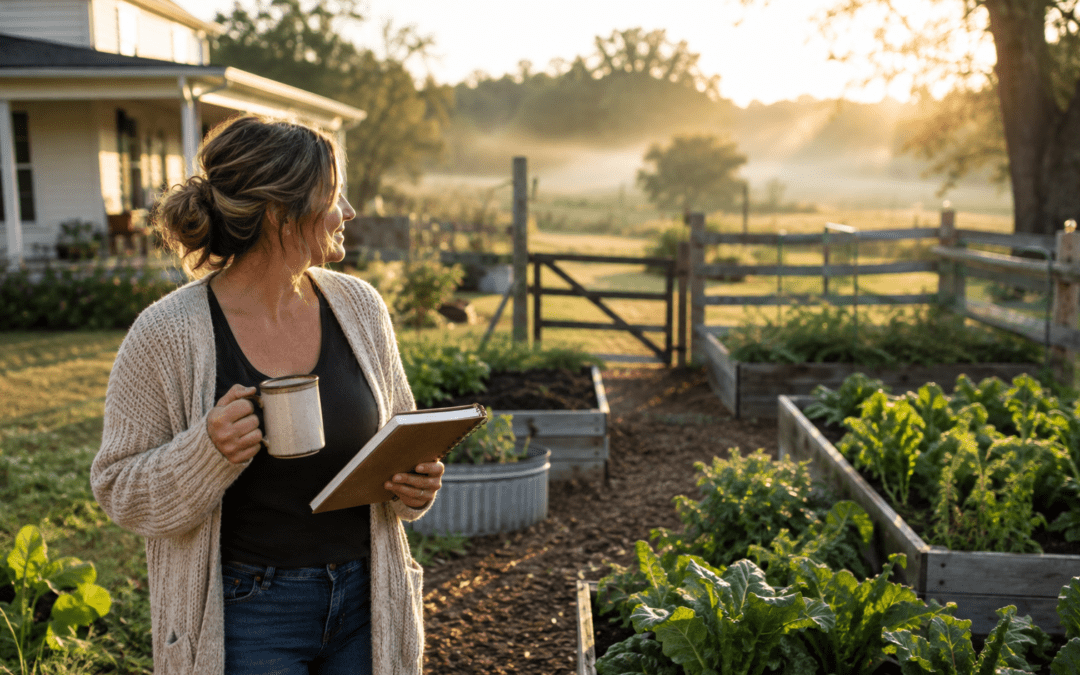
There is a particular moment that happens when you decide to grow your first vegetable garden, it's a shift how you think about food.
At first, the idea is simple. I'll plant a few tomatoes. Then you start looking at seeds.
Suddenly you're considering six varieties of tomatoes, three kinds of cucumbers, pumpkins, potatoes, onions, green beans, herbs, watermelons and something called a lemon cucumber that you had never heard of ten minutes ago but now apparently cannot live without.
This is how gardens happen.
The good news is that your first vegetable garden doesn't have to be big, expensive or perfectly planned.
In fact, a smaller, well-planned garden is usually much more enjoyable than a huge garden that becomes overwhelming by June.
So before we start digging holes and bringing home every plant at the garden center, let's make a simple plan.
Grab a cup of coffee, walk outside and let's figure out where your first garden should go.
Start With the Garden You Can Actually Manage
When you're planning your first vegetable garden, it's tempting to think bigger is better.
It isn't always.
Every square foot of garden eventually needs something from you.
- It needs to be planted.
- Watered.
- Weeded.
- Mulched.
- Checked for pests.
- And eventually harvested.
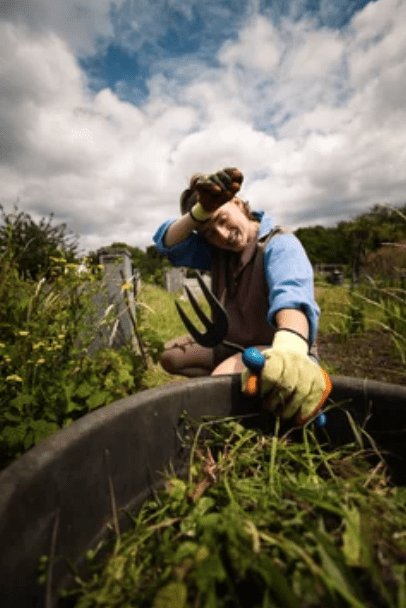
A garden that feels exciting in April can feel considerably larger on a 98-degree afternoon in July.
Ask me how I know.
For your first season, give yourself permission to start small.
A few raised beds, a modest in-ground plot or even several large containers can grow a surprising amount of food.
You can always expand next year.
And there's a fairly good chance you will.
Gardens have a habit of growing even when we're talking about the garden itself.
Step 1: Decide What You Want From Your Garden
Before deciding how big your garden should be, think about why you want one in the first place.
Do you want fresh vegetables for summer meals?
Would you like tomatoes and peppers for homemade salsa?
Do you want enough cucumbers to make pickles?
Are you hoping to preserve food for winter?
Would you like a small kitchen garden where you can pick lettuce, tomatoes and herbs for supper?
Your answer helps determine what you should grow.
If your main goal is fresh summer eating, you might grow:
- tomatoes
- cucumbers
- lettuce
- peppers
- green beans
- summer squash
- herbs
If you'd also like to preserve part of your harvest, you may want additional plants specifically for:
- tomato sauce
- salsa
- pickles
- canned green beans
- frozen vegetables
- dried herbs
Eventually, your garden can become part of the whole homestead rhythm:
Seed → Garden → Harvest → Farmhouse Kitchen → Pantry.
But you don't have to accomplish all of that during your first season.
Start where you are.
Step 2: Choose the Best Garden Location
Vegetables can forgive quite a few gardening mistakes.
A lack of sunshine isn't usually one of them.
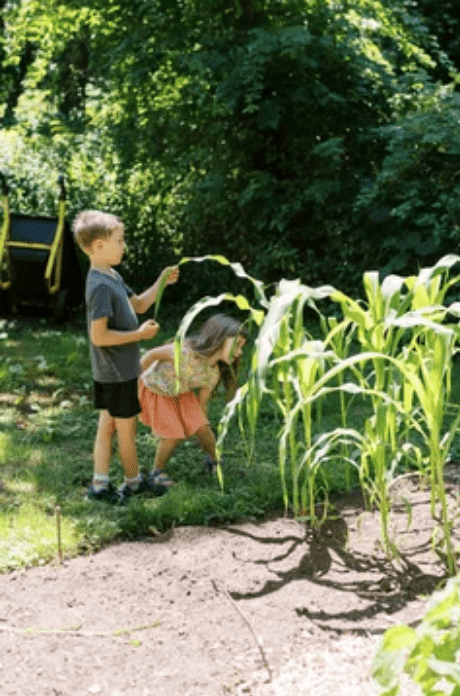
Most vegetable gardens need at least 6–8 hours of direct sunlight each day, and many summer vegetables will happily take more.
Before building beds or tilling the ground, watch your yard for a few days.
Notice where the sunlight falls during the morning, midday and afternoon.
Trees, fences, barns and houses can create more shade than you realize.
That sunny-looking corner at 9:00 in the morning may be completely shaded by lunchtime.
Look for a garden location with:
- plenty of direct sunlight
- reasonably level ground
- good drainage
- access to water
- easy access from the house
- enough room for future expansion
That last one isn't absolutely necessary.
But gardeners are notorious for saying, "I'm only going to make one little garden."
Three years later we're discussing where to put the second compost pile.
Step 3: Keep Your Garden Close to Water
This doesn't sound particularly exciting when you're drawing your dream garden.
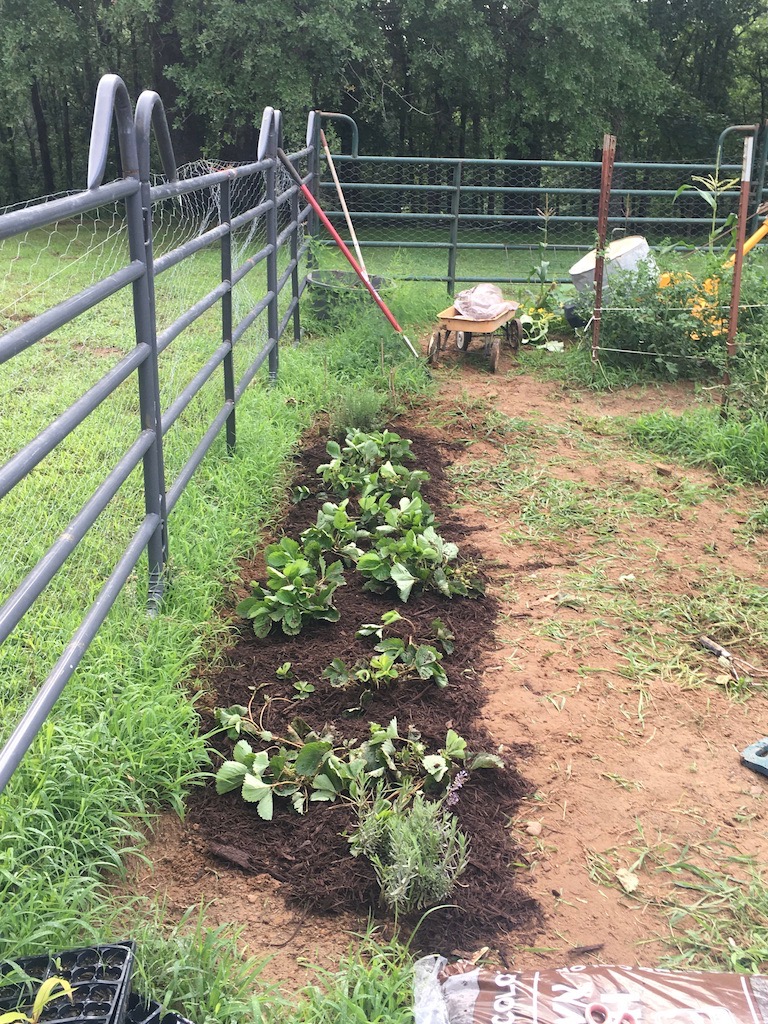
But come July, it becomes very exciting. Put your vegetable garden somewhere reasonably close to a water source. Dragging 200 feet of garden hose across the yard every evening gets old quickly.
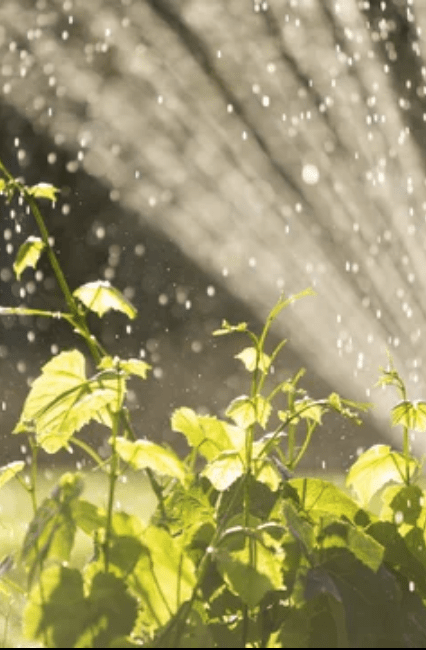
You may eventually install drip irrigation or soaker hoses, but even then you'll need convenient access to water. A garden that's easy to water is much more likely to actually get watered.
Step 4: Decide Between In-Ground, Raised Beds or Containers
There isn't one correct way to build a vegetable garden. Choose the method that works best for your property, budget and available space.
In-Ground Gardens
Traditional in-ground gardens can be economical and practical, especially if you have plenty of space.
They're particularly useful for larger crops such as:
• corn • pumpkins • melons • potatoes • winter squash
The condition of your existing soil matters, though. Heavy clay, poor drainage or rocky ground may require some improvement before planting.
Raised Beds
Raised beds are popular for good reason.
They can provide:
- control over your soil mixture
- good drainage
- defined growing spaces
- easier weed management
- tidy pathways
- easier access for planting and harvesting
The downside is the initial cost of building and filling them.
You don't need an elaborate collection of matching cedar beds to grow vegetables successfully.
Plants are considerably less concerned about Pinterest than we are.
Container Gardens
If you're working with a patio, porch or small yard, containers can still produce plenty of food.
Large containers and grow bags can work especially well for:
• tomatoes • peppers • herbs • lettuce • potatoes • bush beans
Just remember that containers usually dry out faster than garden soil, so they'll need closer attention during hot weather.
Step 5: Figure Out How Much Space You Have
Now it's time to measure.
Yes, actually measure.
Eyeballing the yard tends to produce some surprisingly creative mathematics once you arrive at the garden center.
Measure the space where you're considering putting the garden. Write down the length and width. If you're planning raised beds, sketch their approximate locations along with the paths between them.
Leave enough room to comfortably:
- walk
- carry baskets
- pull weeds
- use a wheelbarrow
- kneel beside beds
- harvest vegetables
A two-foot pathway may look perfectly adequate on paper.
Then August arrives, the tomatoes have escaped their cages, the cucumbers have made a break for freedom and you're trying to squeeze through carrying a basket of vegetables.
Give yourself some room.
Step 6: Make a List of What Your Family Actually Eats
This may be the most practical garden-planning advice I can give you.
Grow what you eat. It sounds obvious. And yet seed catalogs have remarkable powers of persuasion.
Before buying anything, make a list of the vegetables your household regularly eats.
Maybe yours looks something like:
We Eat a Lot Of
• tomatoes • potatoes • onions • peppers • green beans • cucumbers • lettuce
We Eat Occasionally
• carrots • broccoli • squash • peas
Nobody Is Going to Eat This
Put everything else here.
You do not earn extra gardening points for successfully growing a vegetable that sits untouched in the refrigerator. Garden space is valuable. Use most of it for food your family loves.
Step 7: Choose Beginner-Friendly Vegetables
Some vegetables are easier for beginners than others.
For your first garden, a dependable starting collection might include:
Tomatoes
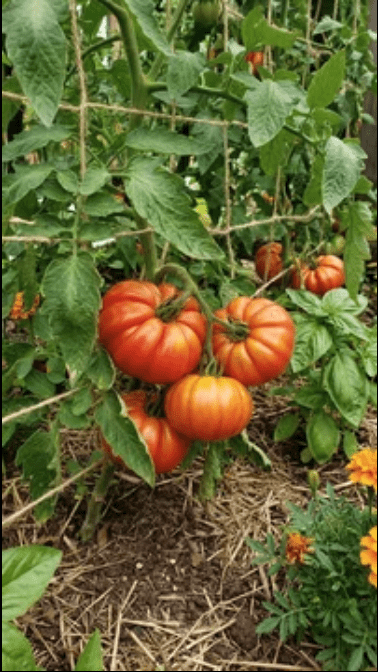
Nothing compares to a homegrown tomato still warm from the sun. Give tomatoes plenty of sunshine, support and consistent water.
Green Beans
Bush beans are especially easy for beginners and don't require trellising.
Pole beans take up less ground space because they grow vertically.
Cucumbers
Cucumbers grow quickly and can produce heavily. Growing them on a trellis helps save space and makes the fruit easier to find. Because somehow cucumbers can hide until they're the size of a canoe.
Peppers
Peppers love warm weather and don't take up much room.
Summer Squash and Zucchini
Easy to grow and famously productive. One healthy zucchini plant can make you feel extremely successful. Four zucchini plants can make you start leaving vegetables anonymously on people's porches. Plan accordingly.
Lettuce
Lettuce is wonderful for spring and fall gardens and can provide relatively quick harvests.
Herbs
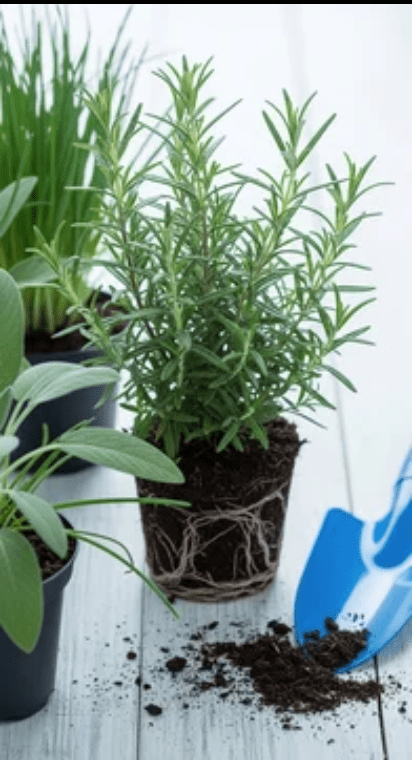
Don't forget herbs. Basil, dill, parsley, thyme and chives can turn garden vegetables into something wonderful once they reach the kitchen.
Step 8: Learn Your Frost Dates
I garden in Oklahoma, Zone 7, so my planting schedule may look different from yours.
Knowing your growing zone is helpful, but when planning an annual vegetable garden, your average frost dates are especially important.
Find your area's average:
- last spring frost
- first fall frost
These dates help define your growing season. Some vegetables tolerate cool weather. Others absolutely do not.
Tomatoes and peppers, for example, are warm-season plants. Planting them outside simply because we had one beautiful 75-degree afternoon in early spring can be tempting.
Then Oklahoma decides it's winter again on Thursday. Gardening teaches patience whether we requested the lesson or not.
Step 9: Separate Cool-Season and Warm-Season Vegetables
Not everything needs to be planted at the same time. This is one of the biggest things new gardeners should understand.
Cool-Season Vegetables
These generally prefer cooler temperatures:
- lettuce
- spinach
- kale
- peas
- carrots
- radishes
- broccoli
- cabbage
Many can be grown in spring and again in fall.
Warm-Season Vegetables
These prefer warm soil and warm weather:
- tomatoes
- peppers
- cucumbers
- squash
- beans
- corn
- okra
- melons
Planning around seasons can help you get much more food from the same garden space.
The place where lettuce grew in spring doesn't necessarily need to sit empty after the lettuce is finished.
Another crop can take its place.
Step 10: Think About Plant Size Before You Plant
This is where that cute little seedling can deceive you.
A tomato transplant may only be eight inches tall when you buy it. It will not remain eight inches tall.
Before placing plants on your garden plan, look at their mature size and recommended spacing.
Pay particular attention to:
- tomatoes
- zucchini
- pumpkins
- cucumbers
- melons
- winter squash
Vining crops can travel impressive distances.
Planting six pumpkins in the middle of a small raised bed is less of a garden plan and more of a pumpkin invasion strategy.
Give plants enough room to grow. Good spacing also improves airflow, which can help reduce disease problems.
Step 11: Grow Up Whenever You Can
Not every plant needs to spread across the ground. Vertical gardening can dramatically increase what you're able to grow in a small space.
Consider trellising:
• pole beans • cucumbers • peas • some small melons • certain squash varieties
Tomatoes will also need cages, stakes or another support system.
Put trellises and tall plants where they won't shade shorter sun-loving vegetables.
In many gardens, that means positioning taller crops toward the north side of the garden when practical.
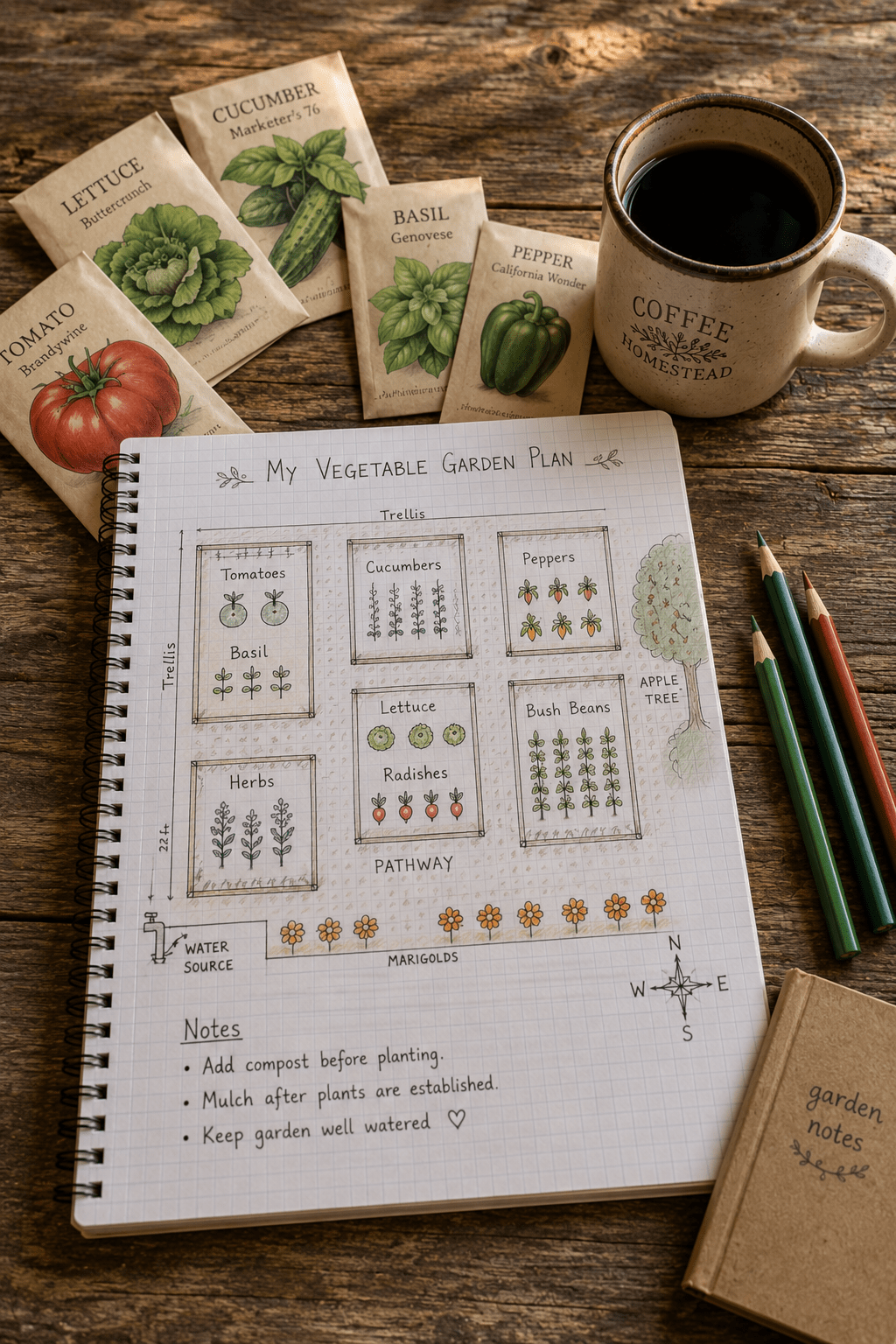
Step 12: Draw Your Garden
You do not need fancy garden-planning software.
A sheet of graph paper works beautifully.
Draw your beds or garden boundaries and start placing vegetables.
Include:
• garden beds • pathways • trellises • tomato supports • permanent structures • nearby trees • water access
Then write the vegetables where you plan to grow them.
Don't worry about creating a masterpiece. The purpose is simply to discover problems on paper instead of after you've planted everything.
It is much easier to erase a zucchini than transplant one.
A Simple First Vegetable Garden
If I were helping a brand-new gardener plan a manageable first garden, I might suggest starting with something like:
2 tomato plants
Choose varieties your family will actually use.
2 pepper plants
Sweet peppers, hot peppers or one of each.
1 zucchini plant
Trust me on this.
2 cucumber plants
Give them a trellis.
1 small planting of bush beans
Plant another small batch a few weeks later for a longer harvest.
1 small area for lettuce
Perfect for cooler spring weather.
A few herbs
Basil, dill, parsley and chives would make a wonderful start.
That's enough variety to make the garden interesting without turning your first season into a full-time job.
And you'll be surprised how much food a small, healthy garden can produce.
Don't Forget the Kitchen When You Plan the Garden
This is where I think garden planning becomes especially useful.
Instead of thinking only about vegetables, think about meals.
If your family loves salsa, grow:
- tomatoes
- peppers
- onions
- cilantro
If you love homemade pickles, plant:
- pickling cucumbers
- dill
- garlic
If summer tomato sandwiches are practically their own food group at your house, you already know where some garden space should go.
If you want homemade pasta sauce in the pantry, dedicate more room to paste tomatoes and herbs.
Planning this way creates a garden with a purpose.
You're not simply growing vegetables because a seed packet looked pretty.
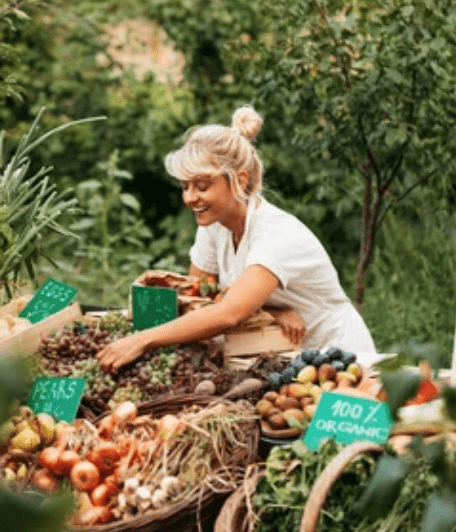
You're growing ingredients.
Plan for the Harvest, Too
Here's something nobody tells you when you're planting those innocent little seedlings in spring:
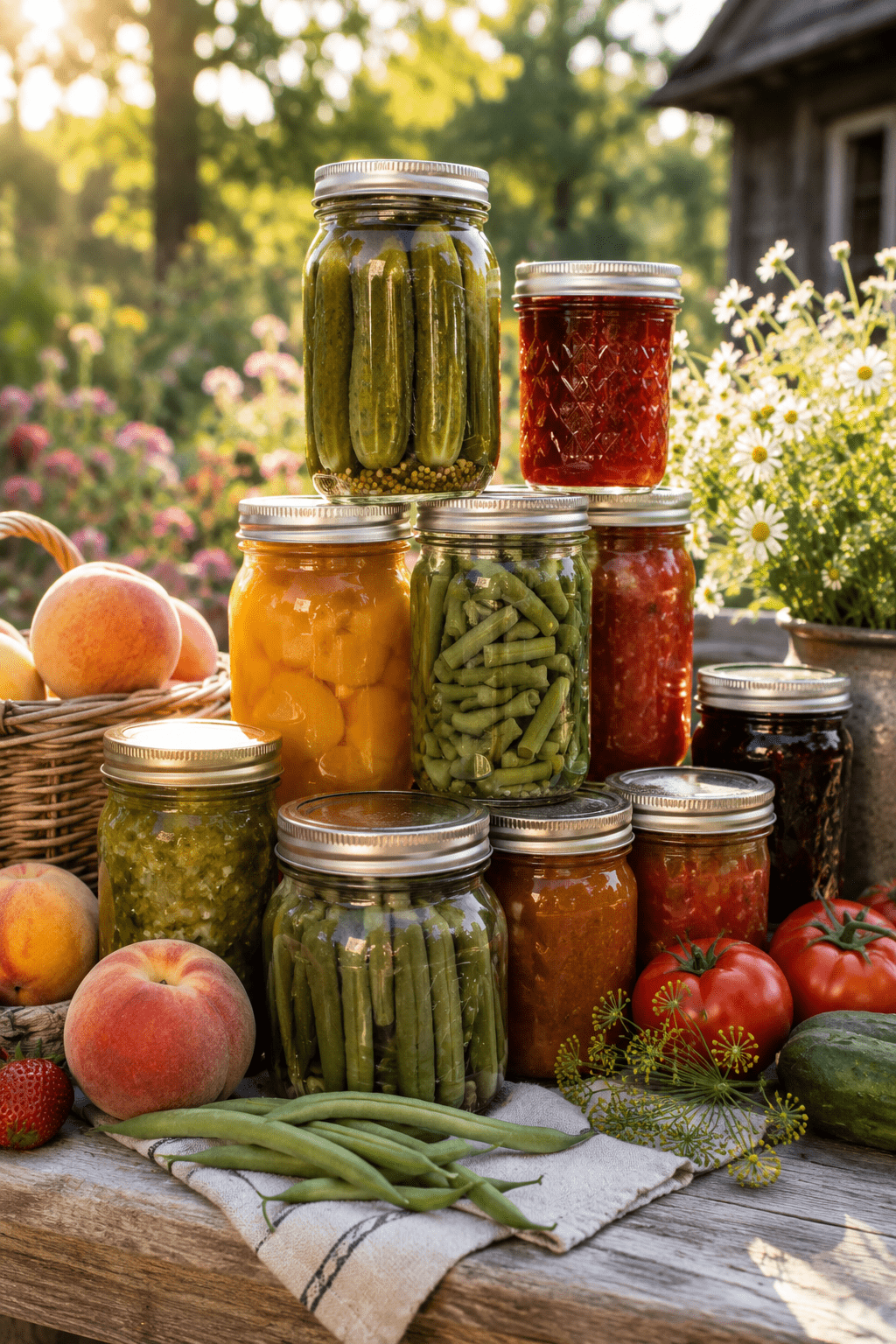
Eventually you're going to have to do something with all that food. And vegetables don't necessarily wait until it's convenient. Green beans will be ready when you're busy. Tomatoes will ripen when the kitchen counter is already full. And cucumbers seem capable of doubling in size while you're inside making lunch.
Before planting large quantities, think about whether you want to:
- eat vegetables fresh
- share them
- sale at a farmer's market
- freeze them
- can them
- pickle them
- dry them
- turn them into sauces, soups or salsa
If you want to preserve food, plant enough to make preservation worthwhile.
If you only want fresh vegetables for supper, you probably don't need 25 tomato plants.
Probably.
Leave Yourself Room to Experiment
Even in a practical garden, save a little space for something fun. Try one unusual tomato. Plant purple carrots. Grow a watermelon you've never tasted. Try an heirloom bean your grandparents might have recognized.
You may discover that you would rather grow dried beans, that can be saved and processed them in the winter rather than trying to can green beans when everything else wants processed. I love the versatility of dry beans, something I just discovered about myself!
Part of the joy of gardening is discovering something you can't easily buy at the grocery store. Some experiments will become permanent garden favorites.
Others will earn a firm:
"Well, we don't need to grow that again."
Both are useful information.
Keep a Simple Garden Notebook
You don't need to document every leaf.
Just keep track of the things you'll wish you remembered next year.
Write down:
- what you planted
- the variety
- when you planted it
- where you planted it
- what grew well
- what struggled
- what your family loved
- what produced too much
- what you wish you'd planted more of
Take pictures throughout the season, too.
By winter, when you're planning next year's garden beside the fire with a seed catalog and entirely too much confidence, those notes will be surprisingly helpful.
Your First Garden Is Supposed to Teach You
Your first vegetable garden probably won't look exactly like the garden you imagined.
That's okay. Some plants will thrive. Some won't. You may plant something too early. You may plant something too late.
You'll discover that you needed another trellis. You'll probably wish you'd planted more of something and considerably less of something else.
That's how you learn your garden.
Books and articles can teach you a tremendous amount, but eventually you have to put seeds in your own soil and see what happens.
Every property has its own little personality.
Its sunny spots.
Its wet spots.
Its windy corners.
Its good soil.
Its stubborn soil.
And apparently one location where squash bugs have decided to hold their annual family reunion.
You learn these things by growing.
Start Small. Grow From There.
You don't need to create your dream vegetable garden this year.
Create your first garden.
- Pick a sunny spot.
- Measure it.
- Choose a handful of vegetables your family loves.
- Make a simple drawing.
- Prepare the soil.
- Then plant something.
- That's enough.
Soon those empty rows will turn green. Then you'll spot the first flower. Then the first tiny tomato. And eventually you'll walk back toward the house carrying a basket filled with food that wasn't there a few months earlier.
That's when all the planning starts to make sense. Because we're not growing vegetables simply to have a pretty garden.
We're growing food that will make its way from:
Seed → Garden → Harvest → Farmhouse Kitchen → Pantry.
And it all begins with a little patch of ground and a plan.
Where to Go Next
Once you've planned your first vegetable garden, the next step is getting that garden ready for planting.
Continue with:
How to Prepare Garden Soil for Vegetables
Then we'll work our way through choosing between raised beds and in-ground gardens, deciding what vegetables to grow, understanding when to plant, starting seeds, direct sowing, watering, mulching, harvesting and eventually bringing all that homegrown food into the farmhouse kitchen.
One garden season at a time.


Recent Comments